Our Cooperative

A specialty Arabica born in the highlands of South Kivu

A distinctive origin in the heart of the South Kivu mountains


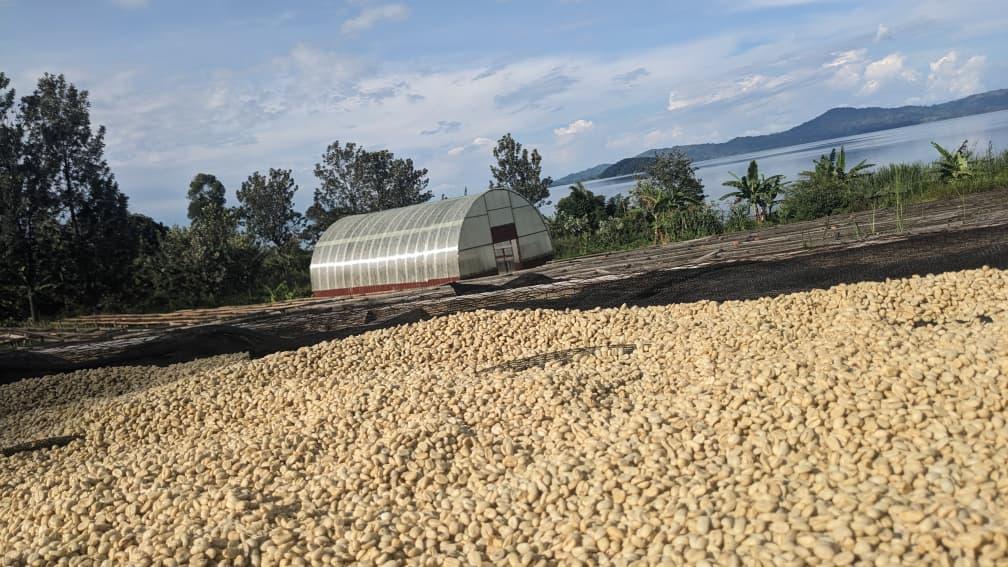
Located in the Kalehe territory, on the hills bordering Lake Kivu in the east of the Democratic Republic of Congo, the KACCO cooperative was founded in 2013. It brings together smallholder coffee farmers committed to producing quality Arabica, grown in an exceptional high-altitude terroir.

In this mountainous region, characterized by fertile volcanic soils and a temperate climate, farmers have grown coffee for generations on small family plots between 1,500 and 2,000 meters of altitude. These unique natural conditions produce coffee with distinctive aromatic profiles, reflecting the full richness of the Kalehe terroir.
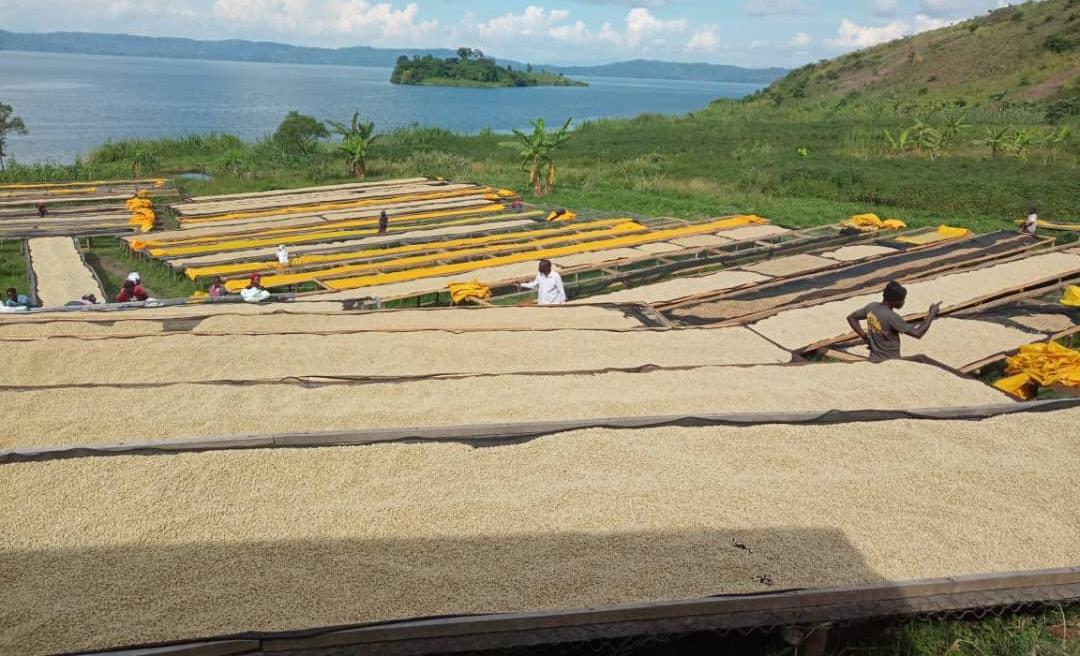
Terroir de Kalehe, bord du lac Kivu

A story of resilience and hope


Kalehe coffee is far more than a cash crop: it is a source of dignity and hope for rural communities. Despite the challenges of recurring armed conflict in eastern DRC, farmers — both women and men — have shown remarkable resilience.

They kept tending their coffee trees and cultivating their land, convinced that coffee could remain a driver of hope, stability and development for their families and communities. It was in this spirit of solidarity and determination that the KACCO cooperative was born in 2013.

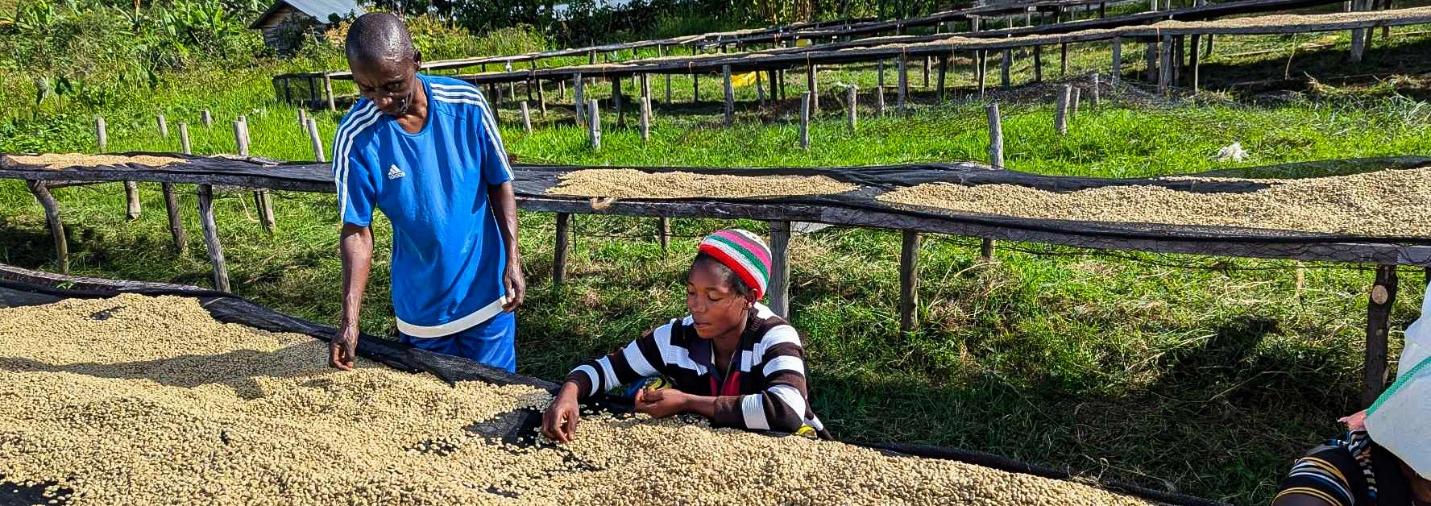
Producteurs KACCO triant le café

Origin, processing and quality

Origin
Kalehe, South Kivu / DRC
Altitude
1,500 – 2,000 m
Farmers supported
3,179, of which 993 women
Coffee trees
6,977,718
Cultivated area
649.8 hectares
Varieties
Arabica — mainly Bourbon, blended with local varieties (Mulungu, Kabare16…)
Farming system
Traditional agroforestry
Process
Fully washed (washing stations), semi-washed (home process)
Drying method
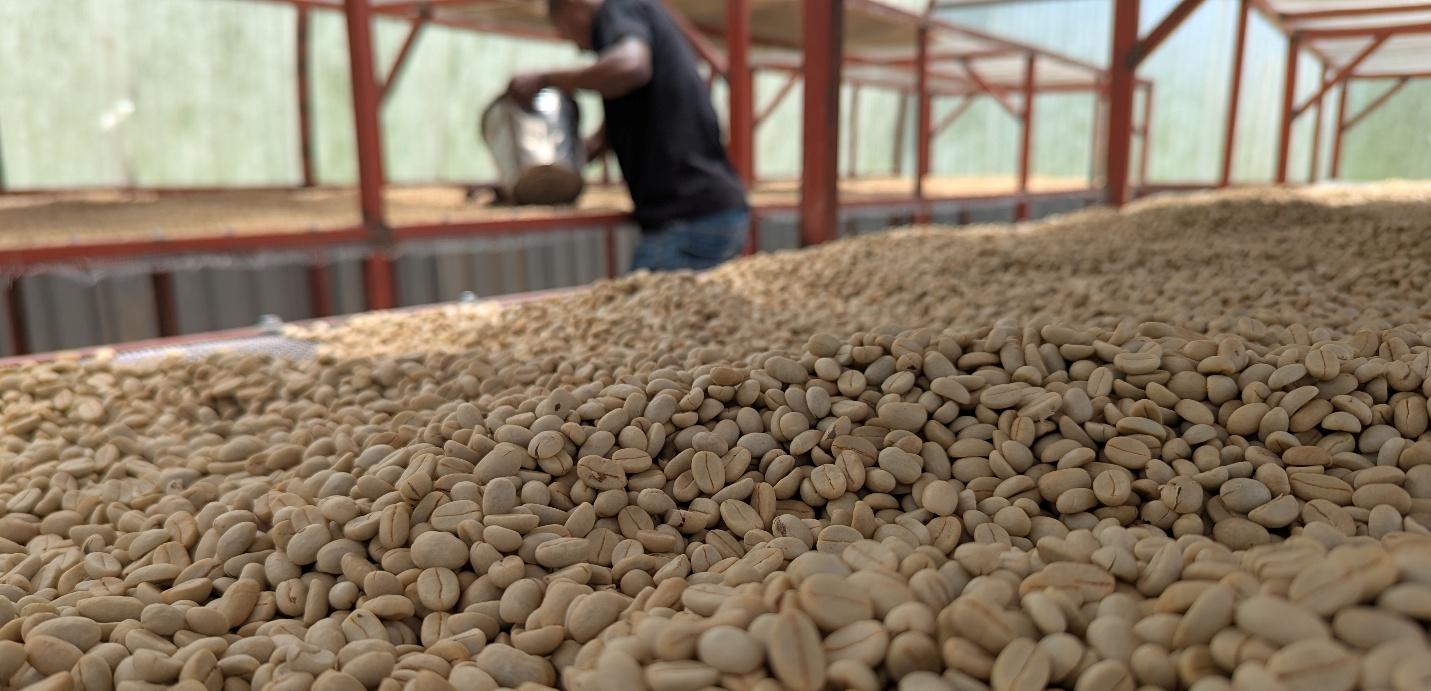
Natural open-air drying and shade drying (greenhouse) for micro-lots
Cupping score & profile
84–87 — fruity, honeyed notes, natural sweetness, bright acidity and balanced body
Classification (DRC)
K3, K4 and K7
Washing stations
3 main stations, 4 micro-stations
Estimated annual production
403.2 tons of green coffee
Harvest
Main: Feb–June. Secondary: Oct–Dec
Export
May–Aug and Dec–Jan, FOT/DR Congo or FOB/Mombasa (Kenya)

Certifications & sustainability standards


  • C.A.F.E. Practices — currently valid
  • Rainforest Alliance — in preparation
  • Organic — in preparation
  • EUDR — in progress of compliance
  • Fairtrade — planned

Preserving the coffee terroir


Kalehe's coffee trees are grown in traditional agroforestry systems with no chemical inputs (100% natural), shaded by native and fruit trees, often intercropped with food crops such as legumes and bananas.

  • Soil protection through good agricultural practices
  • Planting of shade trees (agroforestry)
  • Preservation and restoration of biodiversity
  • Environmental education for farmers

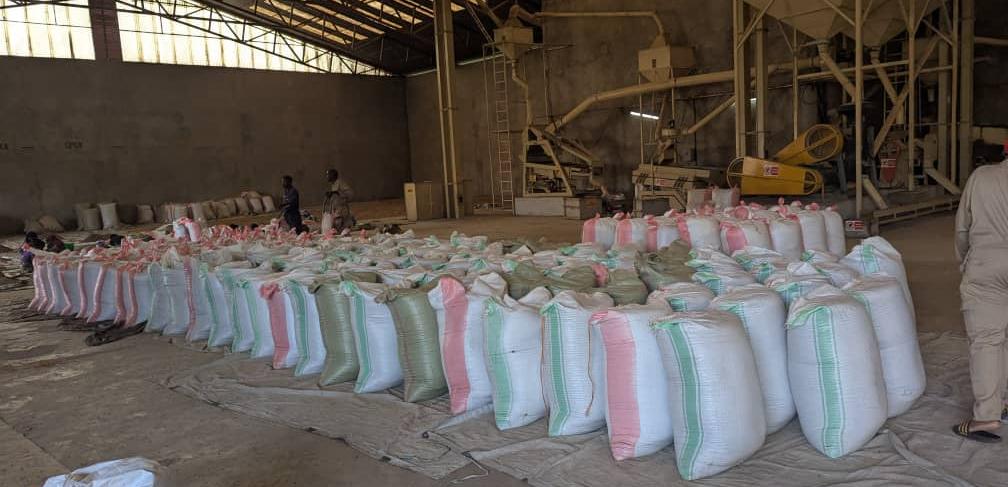
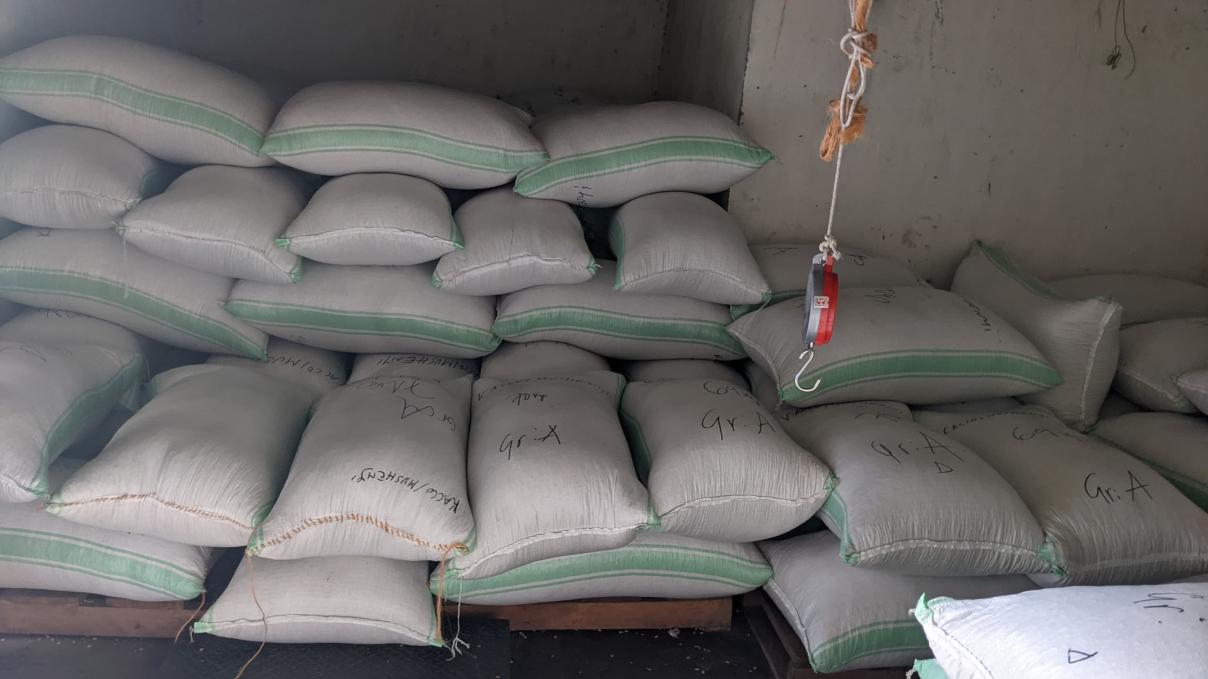
From cherry to export

Want to taste this coffee for yourself?

Samples, detailed spec sheets, spot or contract offers — let's talk about your next origin.

Contact Us