27/09/2026 · MSc. Steven Kanane R.
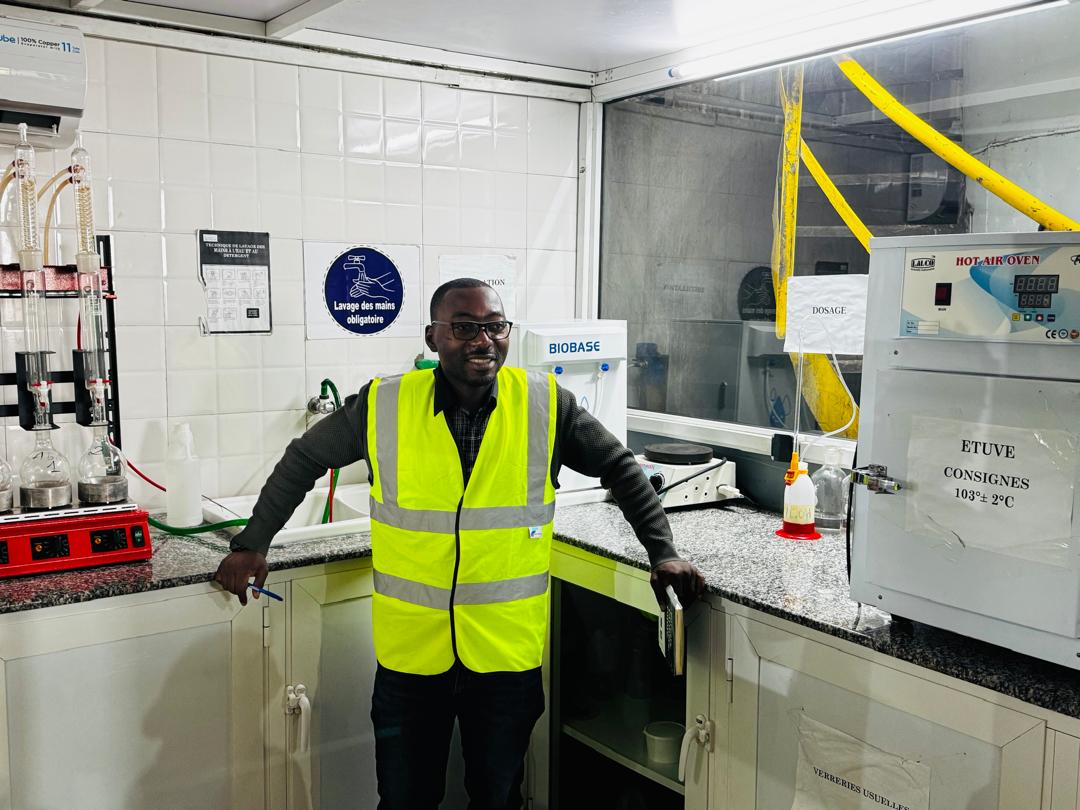
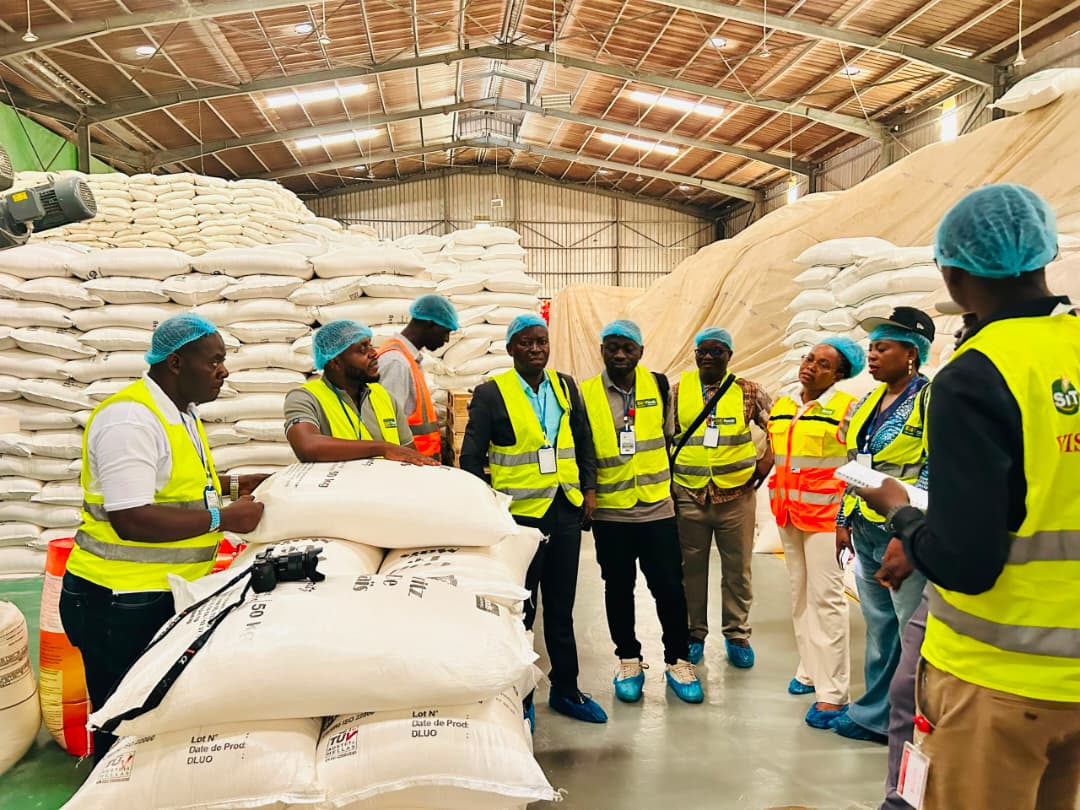
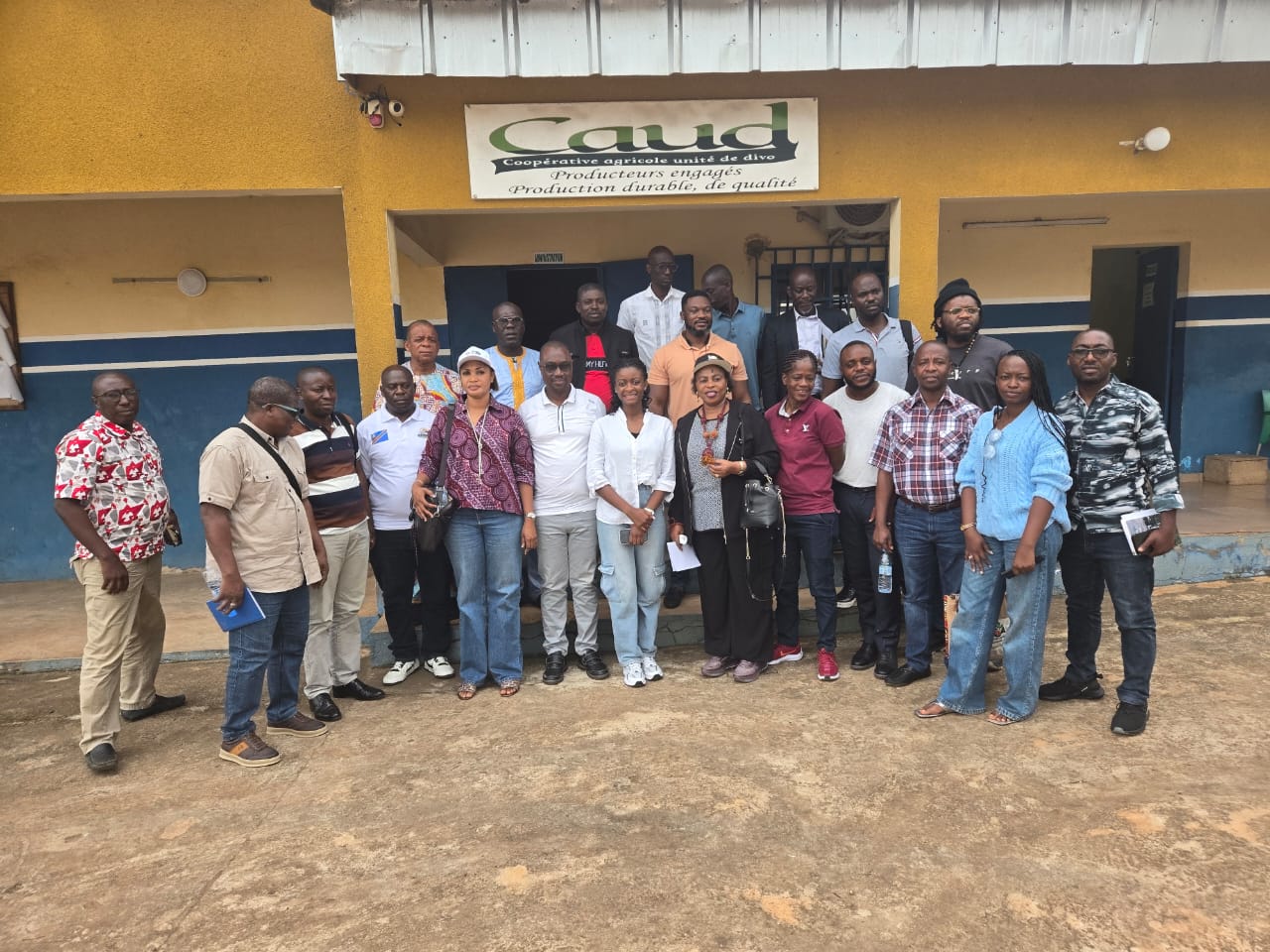
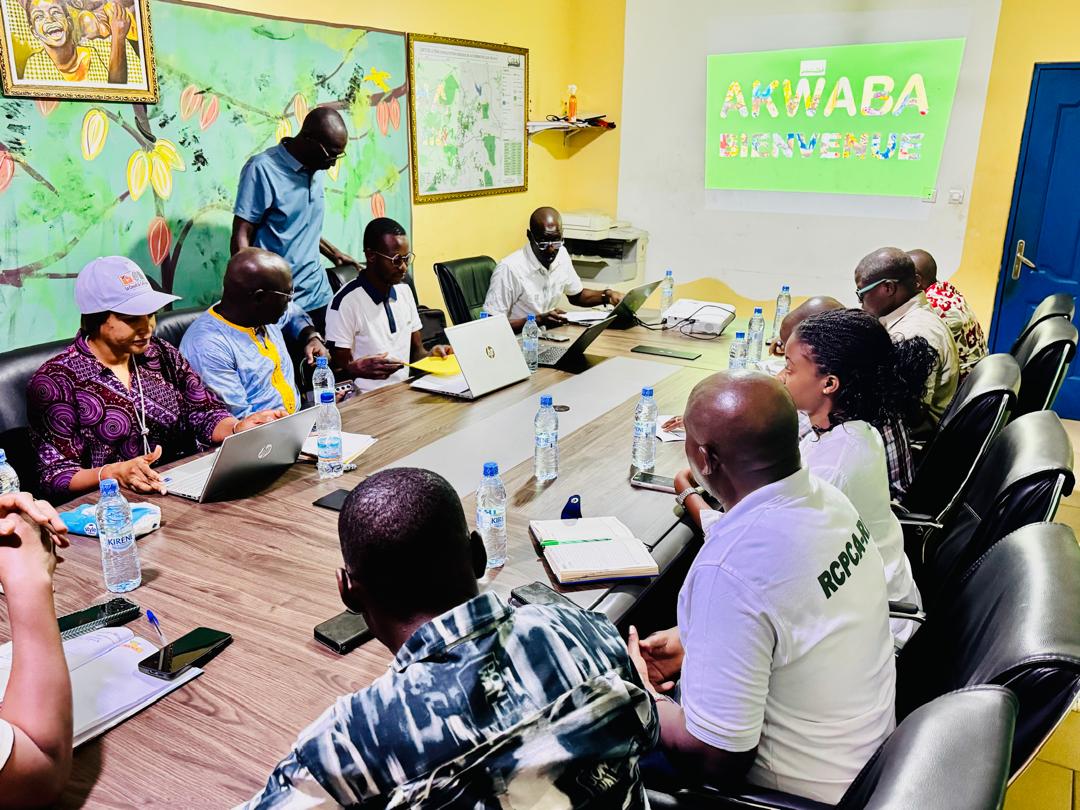
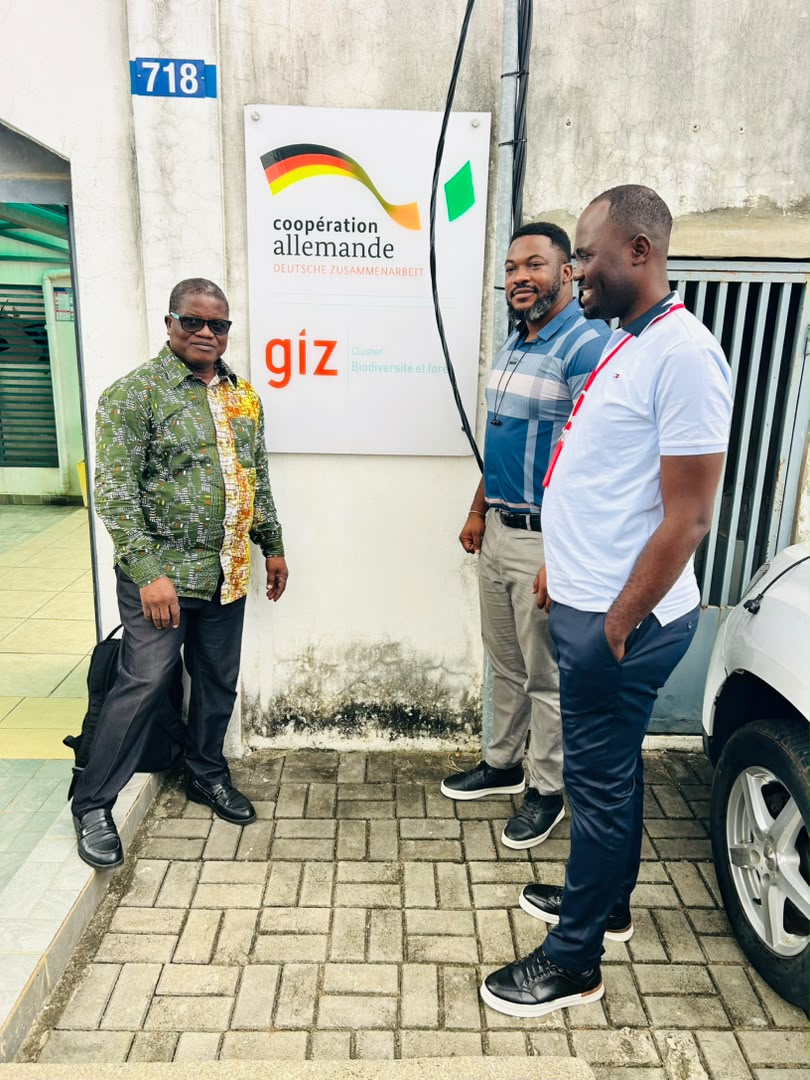
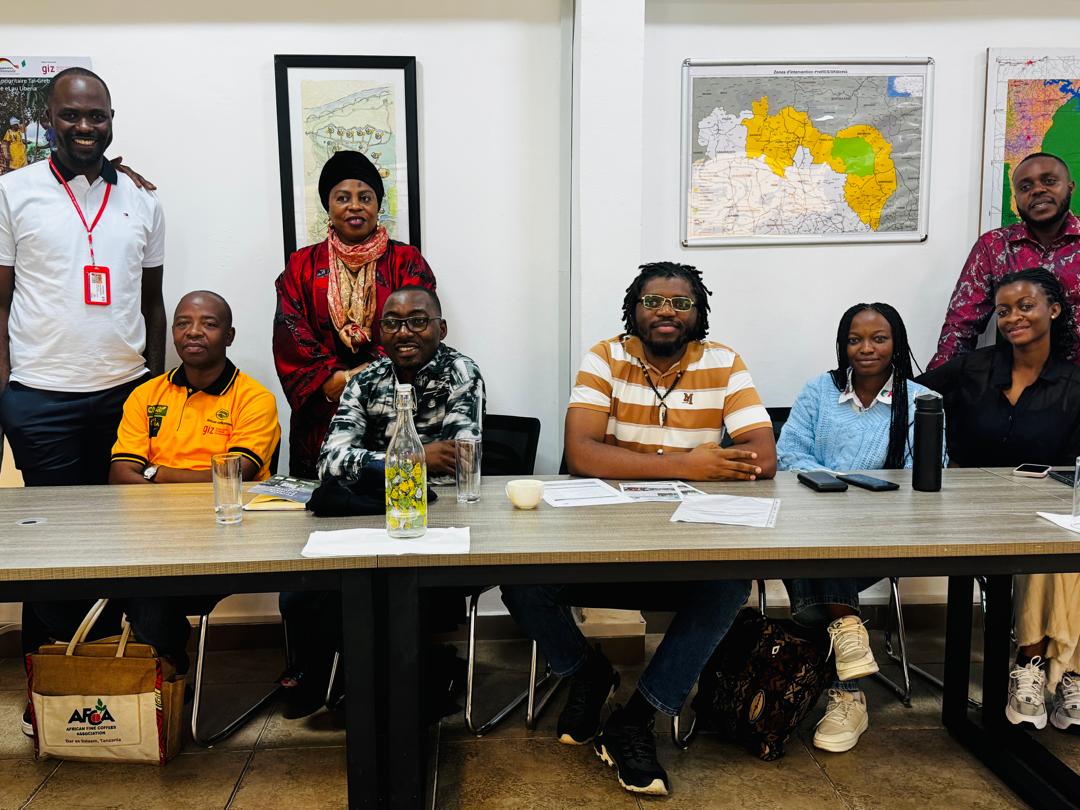
Insights from Steven Kanane, member of the Congolese delegation to the exchange mission in Côte d’Ivoire From July 22 to 25, 2026, I had the honor of participating—as part of the Democratic Republic of the Congo’s delegation—in an exchange mission to Côte d’Ivoire, organized under the SAFE project with the support of GIZ.
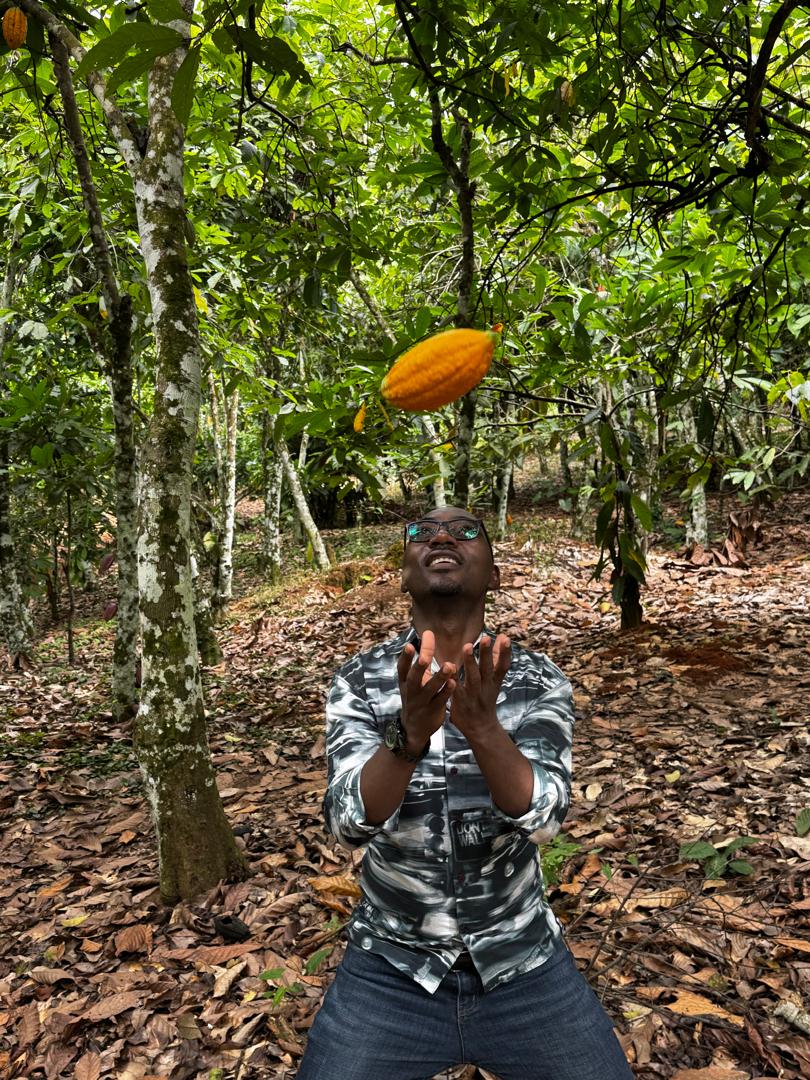
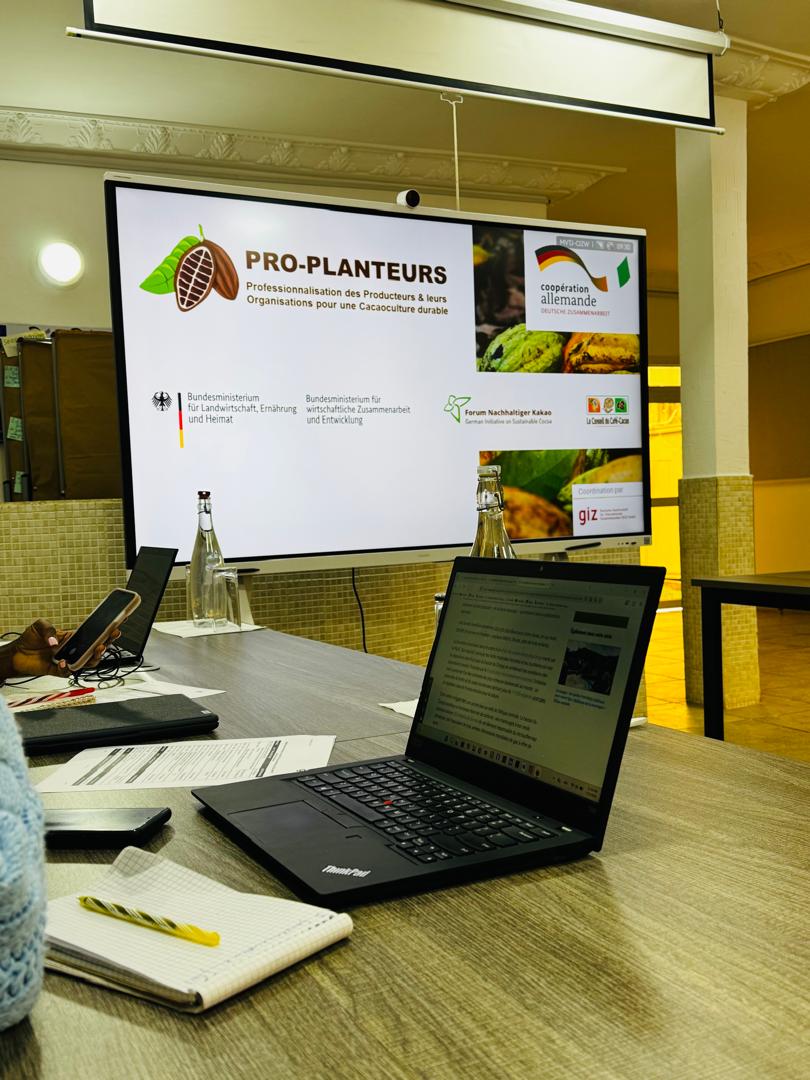
This mission enabled us to meet various stakeholders in the Ivorian cocoa sector, notably the *Coopérative Agricole Union de Divo* (CAUD)—supported by GIZ’s Pro-Planteurs program—and the *Conseil du Café-Cacao*. The goal was to identify practices and models that could be adapted to the realities faced by cooperatives, SMEs, and agribusiness clusters in the DRC.
For me, this experience was far more than just a study tour. It prompted us to reflect on a fundamental question: how can we better organize producers, cooperatives, and businesses to build supply chains that are more robust, predictable, and sustainable?
Two key takeaways stood out for me: contract farming and the diversification of business models.
One of the main lessons from the Ivorian experience is that a high-performing value chain does not rely solely on production. It requires a coherent organizational structure linking producers, cooperatives, businesses, technical services, infrastructure, financing, and markets.
Contract farming can play a vital role in this organization. It should not be viewed merely as a purchase agreement, but rather as a mechanism for aligning supply and demand from the very start of the process.
The logic follows this sequence:
Market → needs → contractual commitment → planning → production → support → collection → quality control → traceability → marketing.
For the producer, this approach offers greater visibility regarding market outlets. For the cooperative, it facilitates the planning of volumes and services. For the buyer, it improves supply predictability.
However, a contract alone is not enough. It must be accompanied by tailored services: advisory support, training, access to seeds and equipment, productivity and quality improvements, collection, storage, traceability, certification, and financing facilitation.
Contract farming must therefore be viewed as a set of commitments and services centered on a specific market.
Another key lesson concerns the diversification of agricultural activities.
In many rural areas of the DRC, households rely heavily on just one or a few crops. Price fluctuations, poor harvests, logistical challenges, or market disruptions can thus severely impact their incomes.
Diversification can help strengthen resilience. However, it does not simply mean growing more crops; it must be driven by market demand.
This is where contract farming and the diversification of business models can complement each other.
A cooperative can identify a market, negotiate commercial terms, organize its producers, provide necessary services, collect produce, ensure quality and traceability, and then deliver to the buyer. Once this organizational structure is mastered for one value chain, it can gradually be adapted to other products.
For KACCO, this approach is particularly relevant as it gradually diversifies its activities beyond coffee to include other agricultural products, with the aim of contributing to producers' economic resilience and household food security.
The DRC should not seek to copy the Ivorian model. We must draw upon its principles and adapt them to our own realities.
Our country possesses significant agricultural potential but faces specific constraints: inadequate infrastructure in many territories, limited access to finance, the remoteness of certain markets, logistical challenges, and fragmented value chains.
In this context, several stakeholders have a role to play.
Producers need to be better aligned with market needs and quality standards.
Cooperatives must evolve into true supply aggregators, capable of organizing their members, planning production volumes, and ensuring collection, quality, and traceability.
SMEs can help create market outlets, invest in processing, and establish lasting commercial relationships with cooperatives.
Finally, the State can create a favorable environment through regulation, infrastructure, agricultural services, certification, traceability, and the facilitation of private investment.
The Ivorian experience also highlights the importance of coordination among public institutions, producers, cooperatives, businesses, and technical and financial partners.
The value of an exchange mission lies not only in what we saw, but in what we are able to do with that experience upon our return.
At KACCO, this experience encourages us to reflect further on how contract farming can help secure market outlets, plan production, improve services for producers, strengthen traceability, and support the diversification of agricultural activities.
Implementation, however, must be gradual, utilizing pilot projects tailored to the realities of Congolese producers and markets. The model must be built in collaboration with the stakeholders, not imposed upon them. As this mission concludes, the key takeaway for me is that we do not need to replicate exactly what works in Côte d’Ivoire. Instead, we can draw inspiration from it to build solutions tailored to the DRC: better-organized producers, robust cooperatives, competitive SMEs, balanced contractual relationships, traceable supply chains, and better-structured markets.
From Divo to Kalehe, the learning process continues. The challenge now lies in transforming this experience into Congolese solutions that benefit producers and foster the sustainable development of our agricultural value chains.