25/09/2026 · KACCO
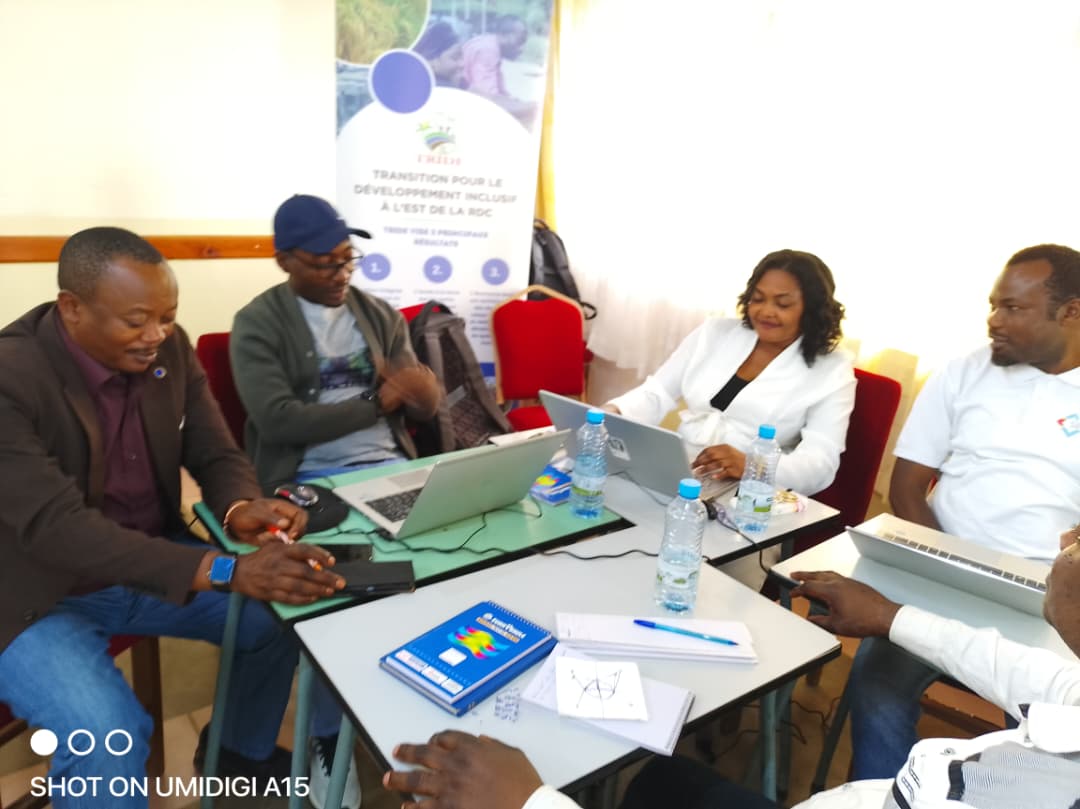
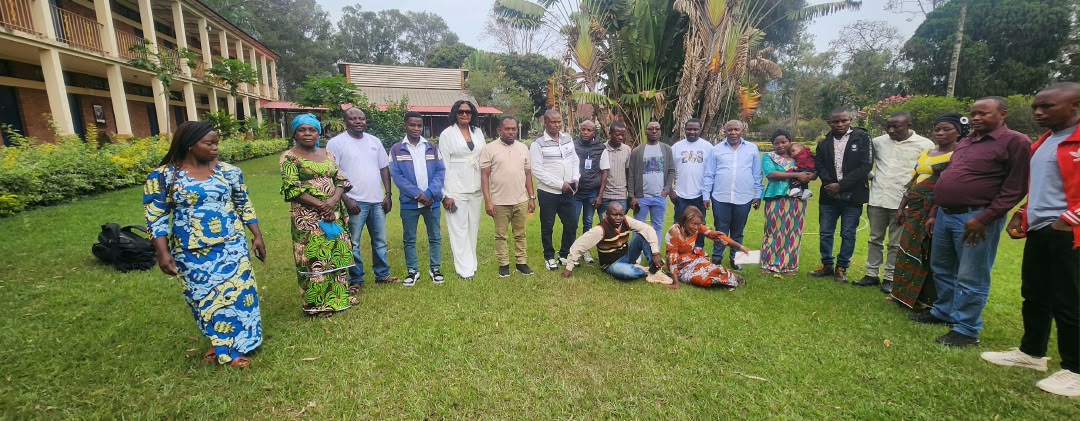
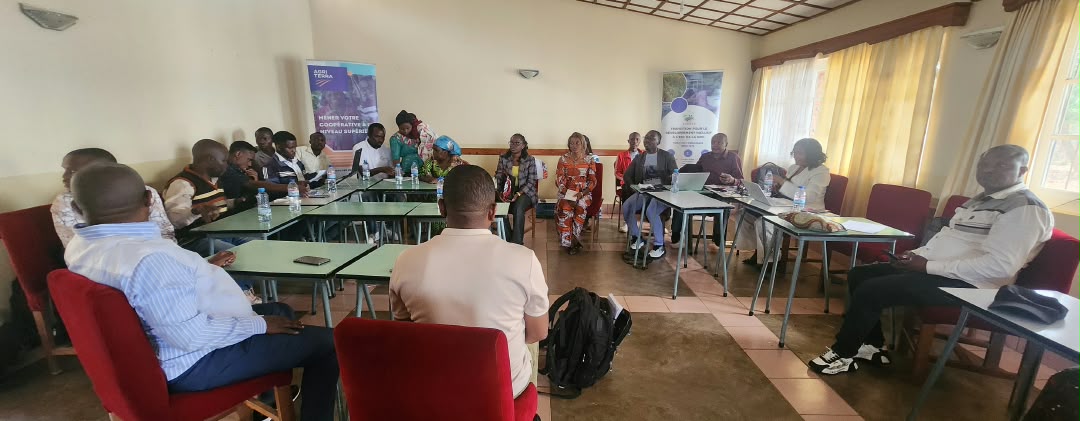
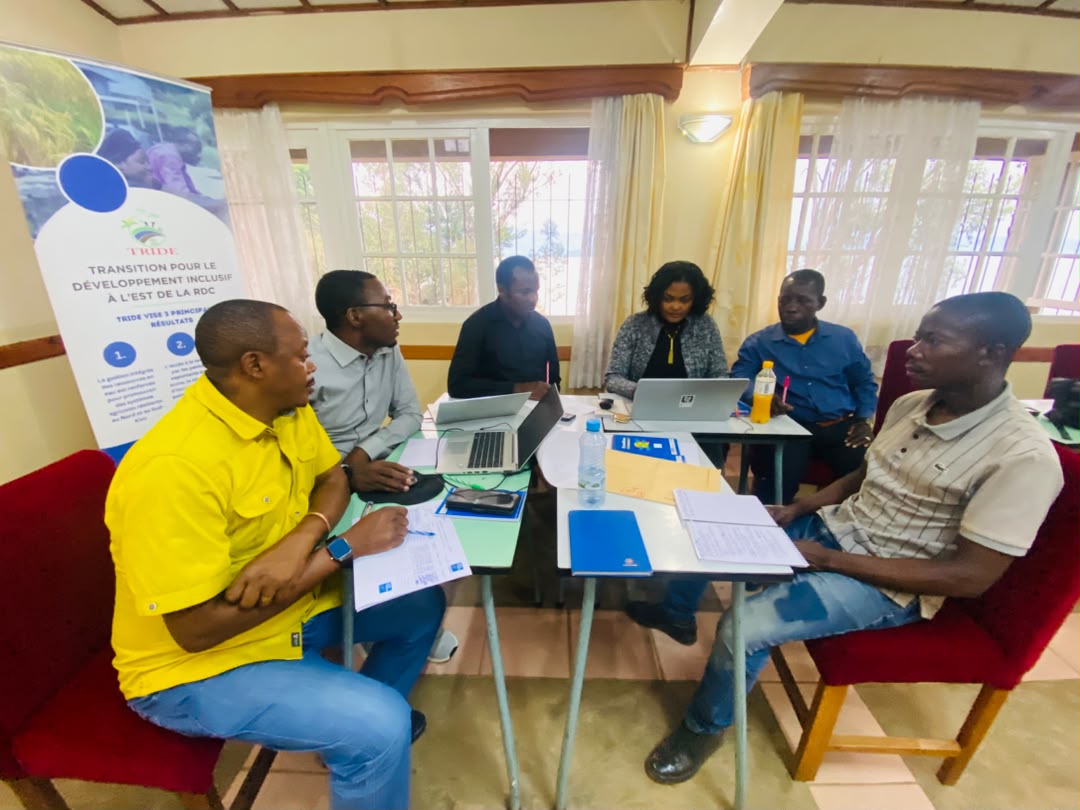
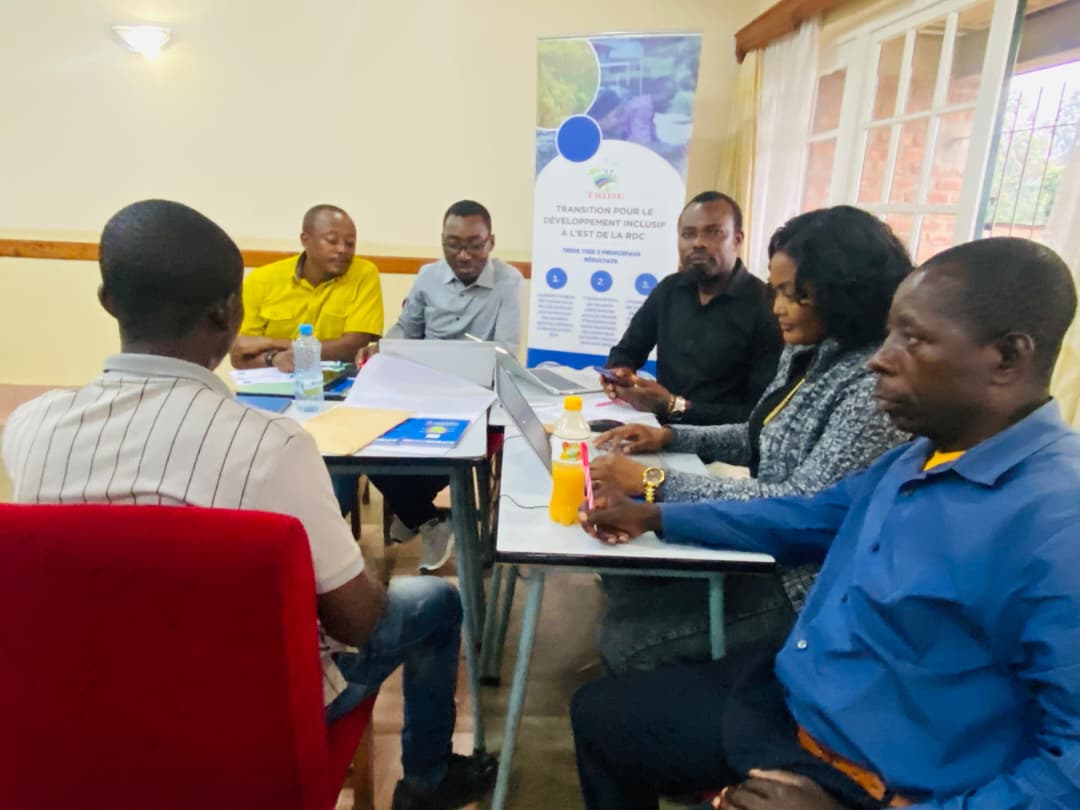
On September 16–17, 2026 at Amani Centre Bukavu, members of the Kalehe Arabica Coffee Cooperative (KACCO) participated in a workshop to consolidate the lessons learned from the TRIDE project, focusing on a review of achievements, insights gained, and prospects for sustaining initiatives aimed at developing local economies in North and South Kivu.
As the TRIDE project nears its conclusion in 2026, the workshop held on September 16 and 17 served as a key moment for collective reflection among the organizations and cooperatives involved in its implementation.
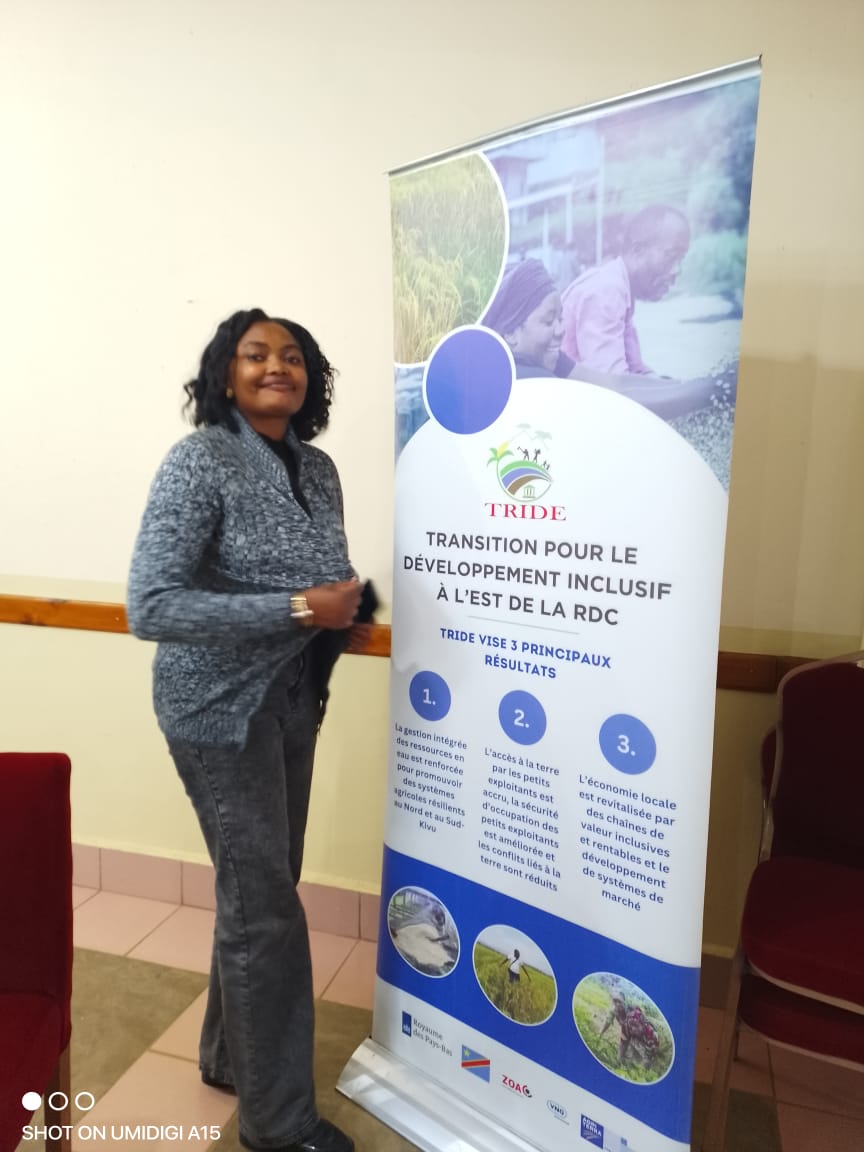
Implemented in North and South Kivu by a consortium of three international organizations (Agriterra, ZOA, and VNG International), the TRIDE project sought to revitalize local economies by developing inclusive, profitable value chains and more functional market systems.
Cooperatives and producer organizations were central to this process, participating in various initiatives designed to strengthen their capacity to produce, organize, access markets, and generate greater local value.
For KACCO, this participation is part of an effort to consolidate achievements and identify solutions that will enable producer organizations to continue developing beyond the project's intervention period.
The workshop allowed participants to step back and review the various actions implemented under the project, as well as to discuss key issues regarding the components managed by Agriterra—specifically production, governance and employability, market access, and access to credit.
These discussions highlighted the importance of moving beyond one-off activities and building mechanisms capable of delivering sustainable results for producers and their organizations. More inclusive and market-oriented value chains
One key lesson from the TRIDE experience is the need to view value chains as a system in which producers, producer organizations, processors, traders, service providers, and buyers can interact more effectively.
For cooperatives like KACCO, strengthening this dynamic involves, in particular, improving production, aggregation, quality, processing, market access, and marketing.
This approach also highlights the importance of being more market-oriented: better understanding buyer needs, anticipating quality requirements, enhancing the bargaining power of producer organizations, and developing sustainable business relationships.
In KACCO’s case, these lessons align directly with the cooperative’s vision of supporting its members from production through to marketing, while seeking to generate greater local value added.
The end of a project does not necessarily mean the end of the dynamics it helped create. Instead, it marks a transitional phase during which beneficiary organizations must gradually take greater ownership of the mechanisms, skills, and relationships developed throughout the intervention.
The workshop provided an opportunity to reflect on ways to preserve achievements, institutionalize best practices, and strengthen organizational autonomy.
For KACCO, this reflection is particularly relevant as the cooperative continues its efforts to professionalize, diversify activities, improve quality, and develop new market opportunities for its members.
Ensuring the long-term viability of achievements requires, among other things, strengthening internal capacities, mobilizing resources, developing strategic partnerships, documenting best practices, and identifying business models that allow member services to remain sustainable over time.
KACCO’s participation in the workshop was an opportunity not only to share its experience but, above all, to strengthen dialogue with other stakeholders committed to local economic development in North and South Kivu.
The lessons learned from this experience will help guide the cooperative’s future initiatives, particularly regarding the development of agricultural value chains, improved market access, local processing, and the strengthening of services for producers.
As the TRIDE project draws to a close in 2026, the challenge for partner and beneficiary organizations is to transform the project’s achievements into sustainable practices and autonomous mechanisms capable of continuing to support producers and stimulate local economies.
For KACCO, therefore, capitalizing on these experiences is not merely a project-closure exercise. It offers an opportunity to reflect on the progress made, identify valuable lessons, and better prepare for the next stage.
The cooperative intends to continue working with its members, partners, and various value chain stakeholders to consolidate achievements, develop new economic opportunities, and help generate sustainable income for the producers of Kalehe.
A project’s achievements are most valuable when they continue to yield results after the project has ended. For KACCO, capitalizing on the TRIDE project thus marks the beginning of a new phase: one of consolidating, taking ownership of, and ensuring the long-term sustainability of the initiatives launched for the benefit of producers and the local economy.
Following this workshop, KACCO wishes to express its deep gratitude to the entire TRIDE project team and to Agriterra for the collaboration, support, and various achievements realized together during the project's implementation. Speaking at the workshop, KACCO’s Managing Director summarized the outlook as follows: "The TRIDE project is coming to an end, but Agriterra remains. KACCO cooperative will continue to collaborate with Agriterra in all circumstances, benefiting from its advice and exploring new opportunities together." This vision reflects KACCO’s commitment to consolidating established relationships and pursuing a partnership based on mutual learning, advisory support, and the pursuit of new opportunities for the benefit of the producers and their cooperative.